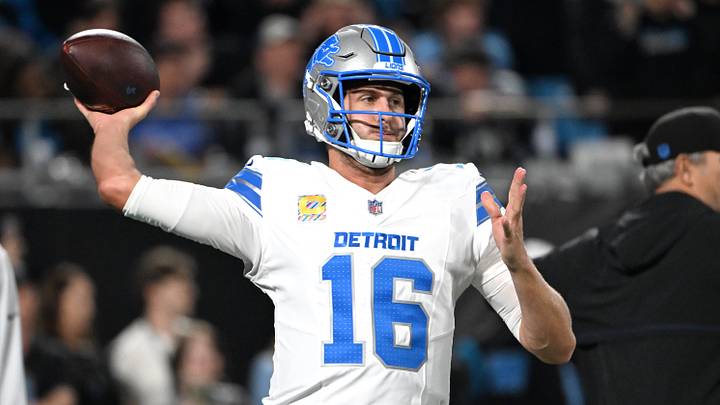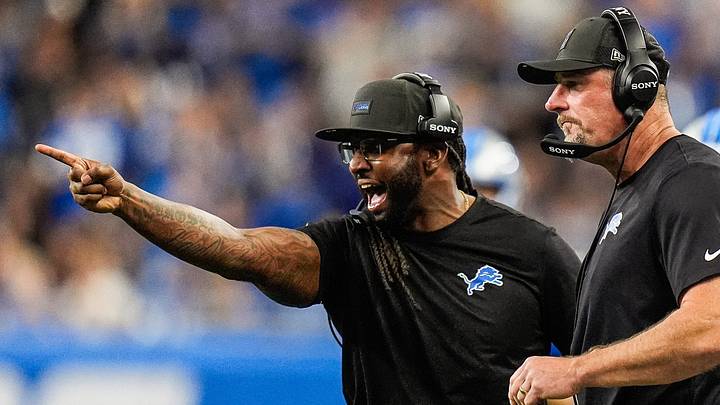
Dan Campbell’s Decision on Kelvin Sheppard Says a Lot About the Lions Right Now
The Detroit Lions have a defensive problem, and after four weeks, it’s no longer something that can simply be brushed aside.
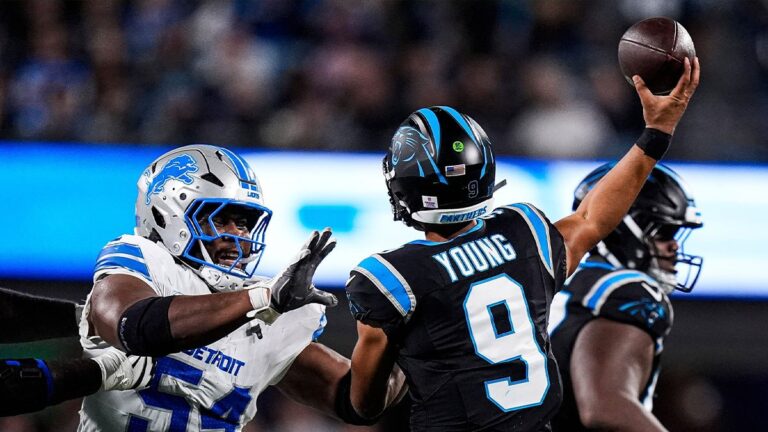
Detroit is 2-2 after Sunday’s 32-26 loss to the Carolina Panthers, but the record doesn’t tell the entire story. The Lions have allowed at least 30 points in three of their first four games, while their defense currently ranks near the bottom of the NFL in several major categories.
That has naturally put defensive coordinator Kelvin Sheppard under scrutiny.
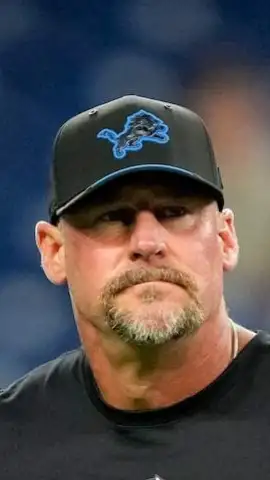
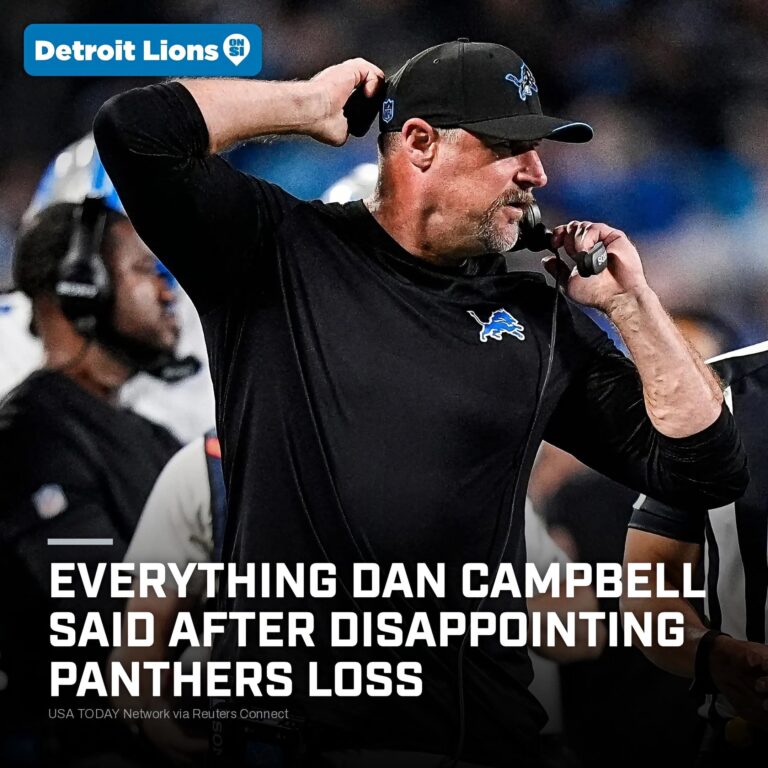
But head coach Dan Campbell isn’t ready to make a change.
When asked about the possibility of moving on from Sheppard, Campbell made his position clear.
«“I’m not talking about all that. I’m talking about getting better right now with what we’ve got.”»
Campbell’s message is that the Lions need to improve with the personnel already on the roster rather than panic after one disappointing stretch.
The problem is that this isn’t just one bad game.
The numbers are becoming difficult to ignore
Through four games, Detroit’s defense has allowed 443.7 yards per game, the most in the NFL.
The Lions are also allowing 299.3 passing yards per game and 31.7 points per game, both among the worst figures in the league.
Third downs have been another major problem, with opponents converting at a rate of 56.1 percent.
Against Carolina, the Lions surrendered 445 yards of offense and allowed the Panthers to convert two fourth downs.
Those numbers explain why the conversation around Sheppard has become louder.
Campbell isn’t putting the blame on Sheppard
Campbell has acknowledged the defensive struggles, but he doesn’t appear interested in turning them into a coaching scapegoat situation.
And the players have largely taken the same position.
Cornerback D.J. Reed argued that the issue comes down to the players winning their individual matchups.
«“It’s not a coaching thing, it’s a players thing.”»
Linebacker Jack Campbell also defended Sheppard, saying the defensive coordinator works hard and continues to have the confidence of the players and head coach.
That’s important because Detroit’s defense isn’t simply struggling because of one schematic problem.
The Lions have dealt with injuries in the secondary, including the loss of both starting safeties, while the cornerback group entered the season without much margin for error.
That context matters.
But someone eventually has to answer for the results
This is where the situation becomes complicated for Detroit.
If the players are the problem, then the roster construction deserves scrutiny.
If the players are good enough but aren’t being put in the right positions, then questions naturally shift toward the coaching staff.
And if both are contributing to the problem, the responsibility becomes even broader.
The Lions can’t simply point to injuries forever while continuing to give up nearly 32 points per game.
At some point, the organization has to identify exactly what is going wrong and fix it.
The offense can’t carry this forever
Detroit’s offense has been one of the reasons the team is still 2-2 rather than sitting with a much worse record.
Jared Goff, Jahmyr Gibbs and Amon-Ra St. Brown give the Lions enough firepower to win high-scoring games.
But relying on the offense to consistently produce 30-plus points is not a sustainable formula for a team with Super Bowl aspirations.
Sunday was the clearest example.
Detroit scored 26 points and still couldn’t get the win because the defense couldn’t generate enough stops.
The Lions can survive defensive struggles against certain opponents.
They aren’t likely to survive them against the best teams in the NFC.
Campbell’s decision will eventually be judged by results
For now, Campbell is choosing stability.
He’s backing Sheppard, backing the players and insisting that the solution is to improve with the group currently in place.
That approach could prove reasonable if the defense begins improving over the next few weeks.
But if Detroit continues giving up huge passing numbers, failing to get off the field on third down and allowing opponents to pile up points, the questions surrounding Sheppard—and the people responsible for constructing and coaching this defense—will only become louder.
Campbell doesn’t appear ready to make a drastic move.
The defense may eventually leave him with no choice but to reconsider.