50 Cent Isn’t Done Talking — and He Isn’t Softening the Edges
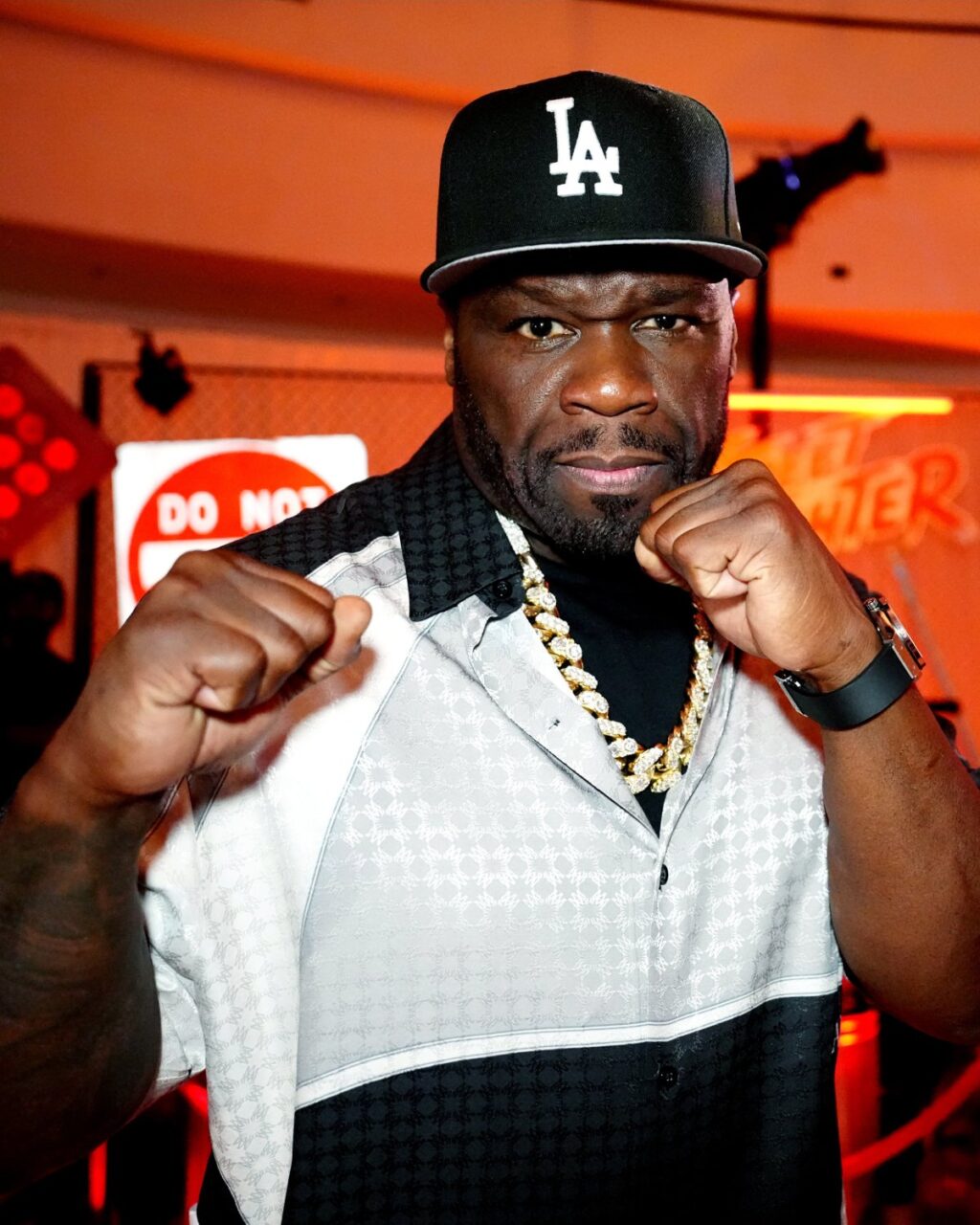
Curtis “50 Cent” Jackson has never been one for quiet reflection. In a new wide-ranging interview with *Variety*, the rapper-turned-mogul sits down to promote his role as Balrog in the new *Street Fighter* movie and ends up covering the usual ground: old grudges, business power plays, and a few personal truths he’s never been shy about.
One of the sharpest claims lands on Sean “Diddy” Combs. Fifty says that while the world was watching the fallout from the Netflix documentary he executive-produced, *Sean Combs: The Reckoning*, Diddy was allegedly working behind the scenes to muddy the waters. “There were things that didn’t surface publicly that were attempts from him to damage the perception of me,” he says. “He was trying to find people to make frivolous accusations against me. From his perspective, it was, ‘How do I cloud what’s going to happen to me?’ You hear him on the phone in the doc saying he needed people in the media to help him discredit everybody else.”
It’s classic 50 Cent — direct, unapologetic, and delivered with the same energy he’s brought to their two-decade feud. He also notes that what made it into the Emmy-winning series was only part of the story. “What he did was actually worse than what’s in the doc.”
The conversation then turns to another long-running tension: his relationship with *Power* creator Courtney Kemp. Fifty is clear he has no interest in working with her again. He feels that after the show became a massive hit, she began downplaying his role in getting it made — the early rejections, the songs he produced that helped sell the series, the way he leveraged his influence when Starz lost a huge chunk of its subscribers. “I don’t look forward to working with her ever again,” he says. “I don’t think that she’s wholeheartedly a bad person, I just think that it got out of control for her.”
Kemp, for her part, pushed back in a statement to *Variety*. She said she has “never once understated his importance in the genesis of *Power*,” noted that he “did not write nor create the series” but was “a large part of its birth,” and added that she is “completely bewildered by his need to mention me in interviews or podcasts.” She’s moved on, she said, and hopes he can do the same.
Then the interview shifts into quieter, more personal territory. Fifty talks about the loss of his mother when he was eight years old — the confusion, the denial, the way a child processes absence. He also addresses something he’s referenced in song for years: learning later in life that his mother was gay.
“When your mom has friends around, you look at them and just see friends,” he explains. His grandmother eventually told him there was more to the relationship. “I’m not ashamed of that in any way. I grew up around that.” He points to the lines he wrote on “Hate It or Love It”: “Coming up I was confused, my mommy kissing a girl / Confusion occurs comin’ up in the cold world.” Vulnerability, he says, made the music stronger. He even notes the parallel with Jay-Z, another superstar whose mother is a lesbian, adding with a characteristic edge that the two of them “just reacted differently to it.”
That’s the through-line with 50 Cent. Whether he’s talking about alleged smear campaigns, creative credit battles, or the complicated truths of his childhood, he doesn’t soften the delivery. He just says it. In an industry that often prefers carefully managed narratives, he remains the rare figure who still sounds like he’s thinking out loud — sometimes messy, often pointed, and rarely interested in making anyone more comfortable than he is.