The House That Invented the Sound of Modern Music Is Gone
Gene Paul was just driving past.
That’s how an 82-year-old man found out that the place where his father changed the world had been reduced to rubble. No phone call. No letter. No chance to walk through one last time and say goodbye. One day in August 2026, he rounded the corner onto Deerhaven Road in Mahwah, New Jersey, and saw the gutted remains of 78 Deerhaven Road — the 6,300-square-foot house on seven acres where Les Paul had lived, tinkered, recorded, and dreamed for more than six decades.
“It made me sick,” Gene wrote on Facebook. “That house wasn’t just where Les Paul lived. It was his workshop. It was his laboratory. It was his journey of dreams. So much happened there.”
He was right.
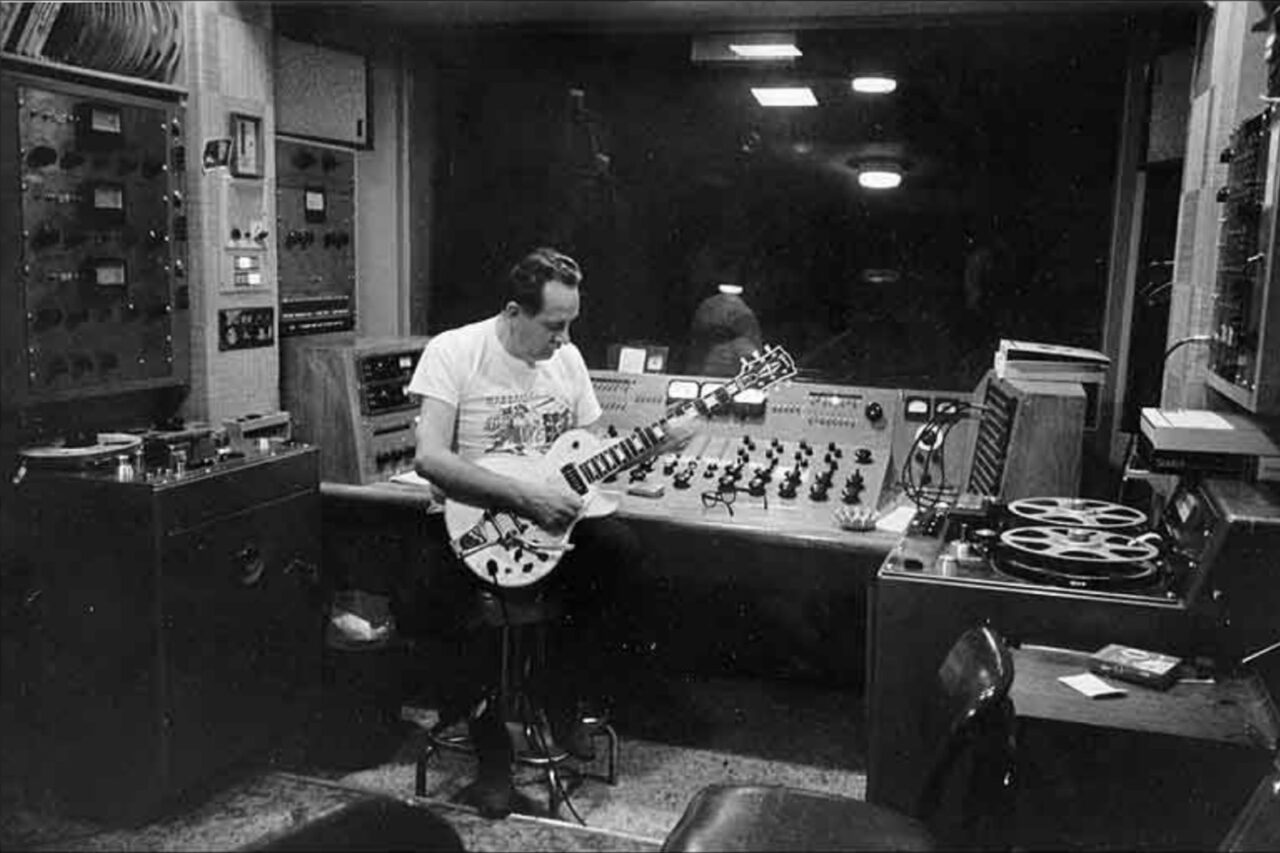
This wasn’t merely a celebrity residence. Inside those walls, Les Paul — the man who helped invent the solid-body electric guitar and pioneered multitrack recording — built the future of popular music. The basement laboratory is where he layered sound on sound, experimented with tape machines, and refined techniques that every recording studio on earth still uses. Jimmy Page came. Eddie Van Halen came. Jeff Beck came. Mary Ford, Les’s wife and musical partner, filmed their popular 1950s television show there. The house was less a home than a living laboratory of American innovation.
After Les Paul died in 2009 at age 94, control of the property and much of his estate passed to the Les Paul Foundation, run by his longtime manager Michael Braunstein. Gene and the rest of the family say they were largely shut out — rarely consulted, never invited onto the board. The house, by many accounts, slowly deteriorated. When it finally went on the market in April 2026, it sold in just 19 days for $990,000 to private developers. By August the wrecking crews had finished the job.
The foundation maintains that historically significant materials, documents, personal belongings, and even sections of the studio walls were carefully removed and preserved before the demolition. They have pointed to zoning restrictions in the quiet residential neighborhood that would have made turning the property into a public museum impractical. Yet for Gene Paul and others close to Les, those explanations ring hollow. A preservationist and longtime friend, Perry Margouleff, has said he offered to buy and restore the house at no cost to the foundation. That offer, according to Gene, was rejected.
What remains is a bitter sense of loss that goes beyond one family’s grief. Music history is full of places that mattered — studios, clubs, back rooms — that were quietly erased because no one in power decided they were worth saving. The Mahwah house was one of the most important of them. It was the physical space where the electric guitar as we know it and the very idea of multitrack recording were shaped by a restless inventor who never stopped experimenting.
Gene Paul has asked the questions that linger after the dust settles: Where did the nearly million dollars from the sale go? Why was there no historical marker planned? Why wasn’t the family given the simple dignity of a final walk-through?
“I’m not an attorney,” he wrote. “I’m a son. And right now, I’m a heartbroken son.”
The house is gone. The concrete foundation and the trees are still there, but the rooms where Les Paul stayed up late chasing the next breakthrough exist only in photographs, in grainy video shot in the final days, and in the memories of those who once stood inside them.
Some places hold the echo of the people who lived and worked there long after the walls come down. This one deserved better than to be discovered as rubble by a son who just happened to drive by.