Knicks Confront Tough Offseason Reality as Insider Info Reveals Mitchell Robinson’s….
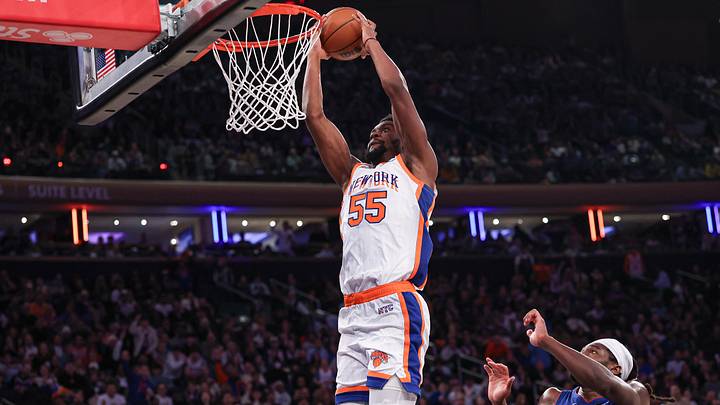
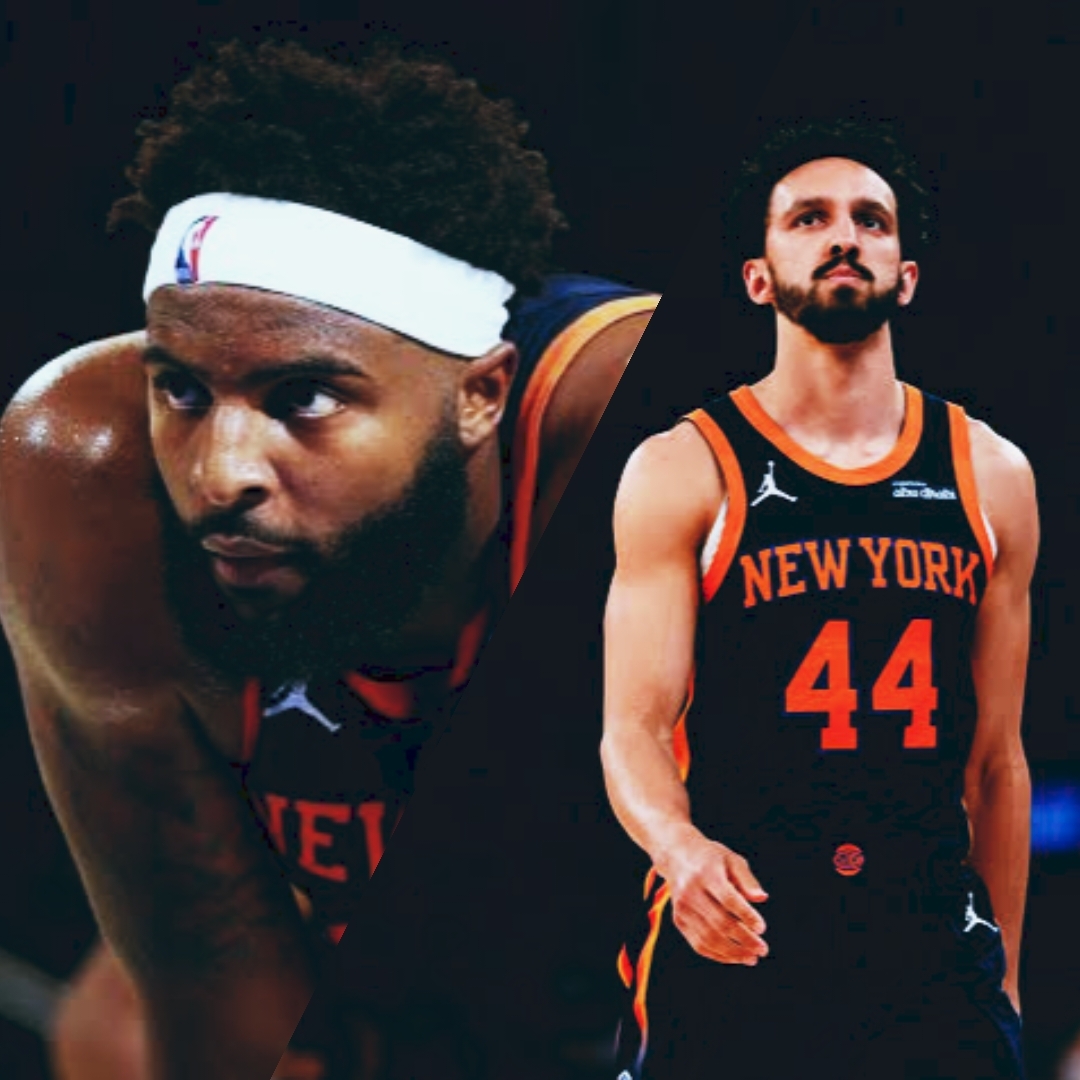
In the aftermath of their triumphant 2026 NBA championship victory over the San Antonio Spurs, the New York Knicks are grappling with a sobering financial reckoning that threatens to dismantle key pieces of their championship core. While parades still echo through Madison Square Garden, whispers of an impending exodus have turned into a deafening roar. At the center of this storm is Mitchell Robinson, the longest-tenured Knick and a defensive anchor whose departure now appears all but inevitable.
Sources close to the organization reveal that Robinson, an unrestricted free agent this summer, has drawn significant external interest from teams like the Chicago Bulls, Charlotte Hornets, Los Angeles Lakers, and Toronto Raptors. His elite rebounding, rim protection, and gritty playoff contributions—including a game-sealing offensive board in the Finals clincher—have elevated his market value far beyond what the Knicks’ cap sheet can comfortably accommodate.
The harsh truth the Knicks cannot escape revolves around the second apron luxury tax penalties. Team officials, wary of James Dolan’s reported reluctance to dive deeper into the tax, face impossible choices. Re-signing Robinson to a deal befitting his championship impact would push New York dangerously over the threshold, forcing painful roster subtractions elsewhere. Insiders indicate that despite Bird rights, the franchise’s fiscal conservatism may force them to let their beloved big man walk.
Landry Shamet, another vital contributor whose sharpshooting provided crucial spacing throughout the Finals run, finds himself in similar limbo. The veteran guard’s breakout postseason has also attracted suitors, compounding the Knicks’ dilemma. With both Robinson and Shamet potentially heading out the door, the championship blueprint that relied on their unique skill sets is suddenly in jeopardy, leaving fans stunned by the speed of the potential collapse.
What makes Robinson’s likely exit particularly shocking is his deep roots in New York. Drafted by the Knicks and having spent his entire career in orange and blue, the 28-year-old has embodied the team’s blue-collar identity. His return from injuries, including a broken pinky finger requiring surgery just before the Finals, symbolized resilience. Yet, in a league driven by economics, loyalty often takes a backseat to dollars.
League executives express surprise at how quickly the situation deteriorated. One rival front office source described it as “a self-inflicted wound,” noting that Robinson’s versatility as a backup center who can dominate the glass and alter shots makes him a prized target. Offers in the range of $8-10 million annually or more could be on the table, sums the Knicks might match only at great cost to their future flexibility.
The ripple effects of Mitchell leaving extend beyond the court. Jalen Brunson and other core players built chemistry with Robinson’s physical presence in the paint. Replacing his intangibles—hustle, leadership in the locker room, and that signature motor—won’t be easy, even with promising internal options or draft picks. Fans who celebrated the first title in over five decades now face the prospect of watching their hero suit up for another franchise.
Knicks president Leon Rose and the front office are reportedly exploring creative workarounds, including sign-and-trades or targeted cuts, but optimism is fading fast. The “harsh Mitchell Robinson and Landry Shamet truth” has become the dominant narrative: contention windows are fleeting, and salary cap realities bite hardest right after glory. New York may need to pivot aggressively in free agency or trades to avoid a step backward.
As the offseason heats up, the basketball world watches with bated breath. Will the Knicks find a miracle to retain their Finals hero, or is Mitchell Robinson’s emotional farewell to the Garden inevitable? For a team that just scaled the mountaintop, this looming loss feels like a gut punch they simply cannot dodge— a stark reminder that even champions must navigate cold business truths.