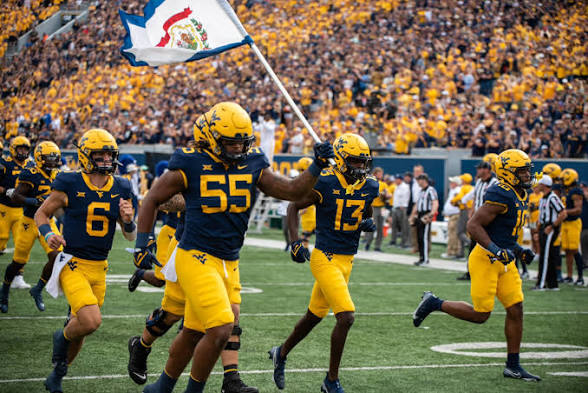
The transfer portal era has transformed college football, but long before the portal became a major recruiting tool, West Virginia football was already finding success through transfers. From the arrival of wide receiver Devon Brown in 2011 to the massive influx of newcomers under head coach Rich Rodriguez in 2025, transfers have played a significant role in shaping the Mountaineers’ roster and competitive outlook. According to a comprehensive review by WVSports.com, West Virginia has consistently turned to experienced players from other programs to fill key needs and accelerate roster development.
Under former head coach Dana Holgorsen, transfers became a crucial component of West Virginia’s rise in the Big 12 Conference. Several high-profile additions delivered immediate results, including running back Charles Sims, quarterback Clint Trickett, and running back Rushel Shell. However, no transfer made a greater impact than quarterback Will Grier, who arrived from Florida and went on to become one of the most productive signal-callers in school history. Grier threw for more than 7,300 yards and 71 touchdowns during his Mountaineer career, helping elevate the program back into national relevance.
Holgorsen’s willingness to embrace transfers stemmed from a need to quickly replenish talent after West Virginia’s transition from the Big East to the Big 12. The strategy proved effective, producing contributors such as offensive lineman Kyle Bosch, wide receiver T.J. Simmons, and defensive standouts Shaq Riddick and VanDarius Cowan. The success of those players reinforced the value of experienced transfers in maintaining roster depth and competitiveness. (West Virginia University Athletics)
The Neal Brown era brought an even greater reliance on transfers as the college football landscape evolved. Quarterbacks Austin Kendall, Jarrett Doege, and JT Daniels all arrived through transfers, while players such as Tony Fields, Doug Nester, Sean Ryan, and Beanie Bishop became major contributors. Tight end Kole Taylor emerged as one of the program’s most productive offensive weapons, while defensive additions including Anthony Wilson, Tyrin Bradley, and Fatorma Mulbah provided critical leadership and production.
As the NCAA transfer portal became increasingly prominent, roster turnover accelerated across the country, including in Morgantown. West Virginia experienced significant player movement both in and out of the program, reflecting a broader trend throughout college football. While some transfers failed to make a substantial impact, many became key starters and helped fill immediate roster gaps that traditional recruiting cycles could not address quickly enough.
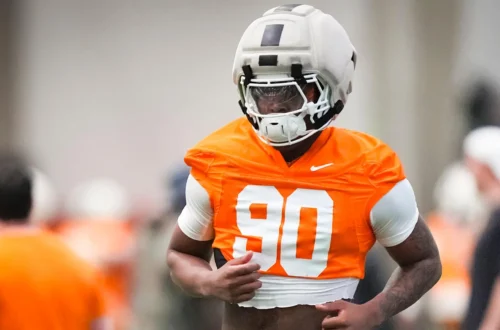
The return of Rich Rodriguez has ushered in perhaps the most aggressive transfer strategy in school history. Entering the 2025 season, West Virginia added dozens of transfers from programs across the country, including former players from Texas A&M, LSU, Texas, Arkansas, North Carolina, and Washington. Many of these newcomers have yet to play a snap for the Mountaineers, but expectations are high that several will emerge as cornerstone contributors in Rodriguez’s rebuilding effort.
Looking back from 2011 to the present, West Virginia’s transfer history reveals a mixture of home-run additions, valuable role players, and occasional misses. Yet the overall impact has been undeniable. From Will Grier’s record-setting performances to the latest wave of portal acquisitions, transfers have become an essential part of the Mountaineers’ identity, helping the program adapt to the rapidly changing landscape of modern college football while continuing its pursuit of success in the Big 12.