Bowl season took an unexpected turn this week as both Iowa State and Kansas State officially declined their postseason invitations, choosing to end their 2025 campaigns prematurely. The decision is striking given that both programs were bowl-eligible and positioned for respectable matchups, yet opted out due to internal transitions that made continued competition more complicated than beneficial.
Iowa State’s situation was driven largely by upheaval within its coaching staff. The departure of longtime head coach Matt Campbell to Penn State triggered a rapid dismantling of the Cyclones’ staff structure, leaving the program without a stable framework to prepare for an additional game. Despite posting an impressive 8–4 record, Iowa State determined that entering a bowl with a temporary or incomplete staff would serve little purpose for development or competitiveness.
The Cyclones ultimately prioritized long-term stability over short-term exposure, directing their attention toward a full organizational reset for the 2026 season. University officials viewed the bowl game as a potential setback rather than an opportunity, believing that fielding a makeshift operation risked poor performance and further disruption to the program’s momentum heading into the offseason.
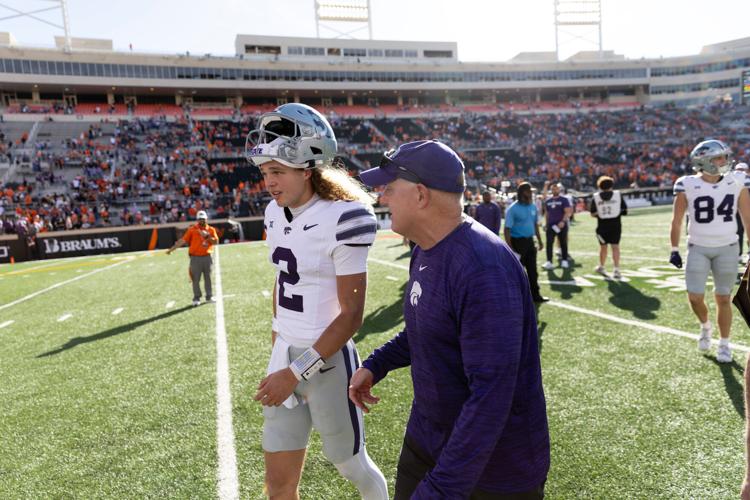
Kansas State faced a comparable dilemma as it navigated its own coaching transition. With Chris Klieman stepping aside and Collin Klein preparing to take charge, the Wildcats were caught between coaching eras at the worst possible time. Questions arose over who would lead bowl preparations—the outgoing staff, the new regime, or an interim selection—with no solution offering clarity or continuity.
Roster instability added another layer of complexity for Kansas State, as player movement through the transfer portal made it challenging to assemble a cohesive unit for postseason play. Rather than rush into a bowl environment lacking structure and certainty, the Wildcats elected to close the book on their season and move forward with a more measured approach to rebuilding.
The Big 12 Conference, however, is reportedly dissatisfied with both decisions and plans to issue fines of $500,000 to each program for declining their invitations. While the penalties reflect the financial and branding stakes attached to bowl participation, the move by Iowa State and Kansas State underscores a growing reality in college football: amid constant coaching changes and portal activity, some programs will choose stability and strategic rest over tradition and December showcase games.